Targeted Advertising in Telecom: Conversion Rate Increased by 632%
From a Reputation Crisis to a Flood of New Subscribers That Put the Business's Operational Capacity to the Test
CASE AT A GLANCE
Year2017
RegionUkraine
ServicesPR, SMM, PPC
ToolsYouScan, Facebook Ads, myTarget, VK
MetricsSentiment Index, Leads, CR
CLIENT
National Internet and Television Provider
BEFORE THE START
Prior to launching any campaigns, it was essential to address the negative reputation surrounding the brand, understand the audience, and identify the touchpoints where advertising would drive results
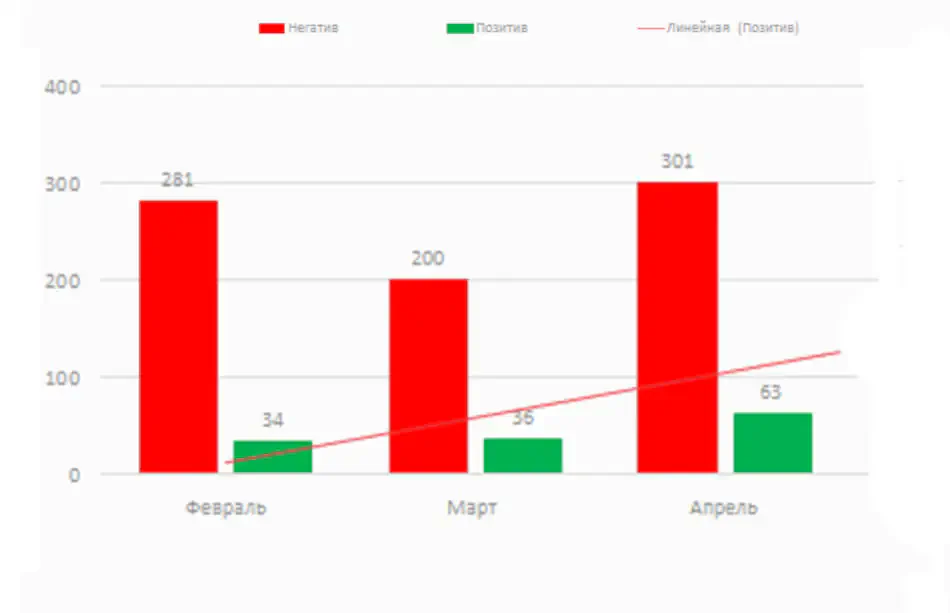
ContextAt the time of the engagement, the provider was facing a serious reputation challenge on social media. Its posts were accompanied by a large volume of negative comments and complaints about service quality.
BriefRun a social media advertising campaign within the allocated budget to promote special offers for Internet and Internet + TV service connections.
KPIs & TargetsMaximize the number of service connection requests within the allocated budget. Increase the conversion rate from social media traffic.
ChallengeThe aforementioned negative sentiment created an unfavorable background within the exact target environment meant to drive new customer acquisition. As a result, the conversion rate of social media users into leads on the official website was rapidly declining.
Dynamics of the ratio of negative to positive sentiment on social media
Prior to launching the main ad campaign, it was essential to understand the brand’s actual market standing, the competitive landscape, target audience segmentation, and the precise nature of negative sentiment surrounding the business. Therefore, the following preparations were made prior to the start of the main work:
analysis of the brand's current market position;
an in-depth study of the competitive landscape;
research into target audience segments;
analysis of the client's social media profiles;
collection of brand mentions across social media.
AudienceThe target audience consisted of individuals without an active internet connection, as well as current customers of other providers. Additionally, a database of former subscribers who had ceased using the client's services for various reasons was utilized (database retargeting).
InsightsThe appeal of the promotional offer made it possible to target both categories of prospective customers simultaneously. At the same time, to maximize effectiveness, each group required a tailored communication approach and creative testing.
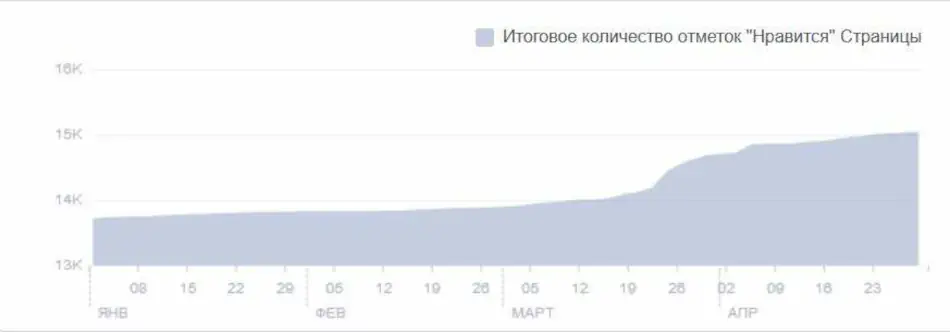
The number of followers on the client's Facebook page increased by 9.4%. Thanks to promotion efforts, the follower base grew from 13,800 in January to 15,100 as of the end of April
StrategyTargeting within the provider's coverage areas, as well as customer databases without configuring geographic ad settings, specifically targeting those who are not connected at the time of the campaign. Utilizing four social networks with a division of roles among the advertising platforms.
Advertising materialsThe main creatives were provided by the client, while additional ones were developed by an in-house designer based on the technical specifications.
“
Turn social media from a reputation risk into a lead-generation channel...
”
What began as a challenging social profiles problems evolved into a measurable acquisition channel, combining audience work, precise targeting and optimisation.
The IdeaThe content strategy was reinforced by a performance-based approach focused on conversion. Social networks were utilized not only as a communication channel with the audience but as a managed tool for lead generation, allowing for separate work with different segments and continuous result optimization.
TIME TO HIT START
The preparation was complete and four platforms were ready to go. Now came the most interesting part - testing the hypotheses against real traffic.
ExecutionAt the launch, we connected and analyzed the response to offers across four ad platforms: Facebook, Instagram, myTarget, and VKontakte. Based on initial testing, Instagram was immediately excluded due to low response rates and a significantly higher cost per lead.
Following this, roles were clearly distributed among these platforms. Facebook was allocated a minimal budget and was primarily used for PR promotion and brand reputation management. Meanwhile, myTarget and VKontakte became the main tools for direct lead generation.
Campaigns in myTarget, which primarily covered Odnoklassniki and the mail ru portal, were structured by ad formats and audience demographics.
In parallel, retargeting was launched for users who had already interacted with the ads / website, or who were former prepaid service subscribers. The cost per lead for these campaigns was, on average, half that of standard campaigns targeting a new audience.
The results of the previous day were analyzed daily. Once a sufficient volume of data was accumulated, non-converting segments were cut off, and campaigns were further optimized based on users' age, gender, and behavioral characteristics.
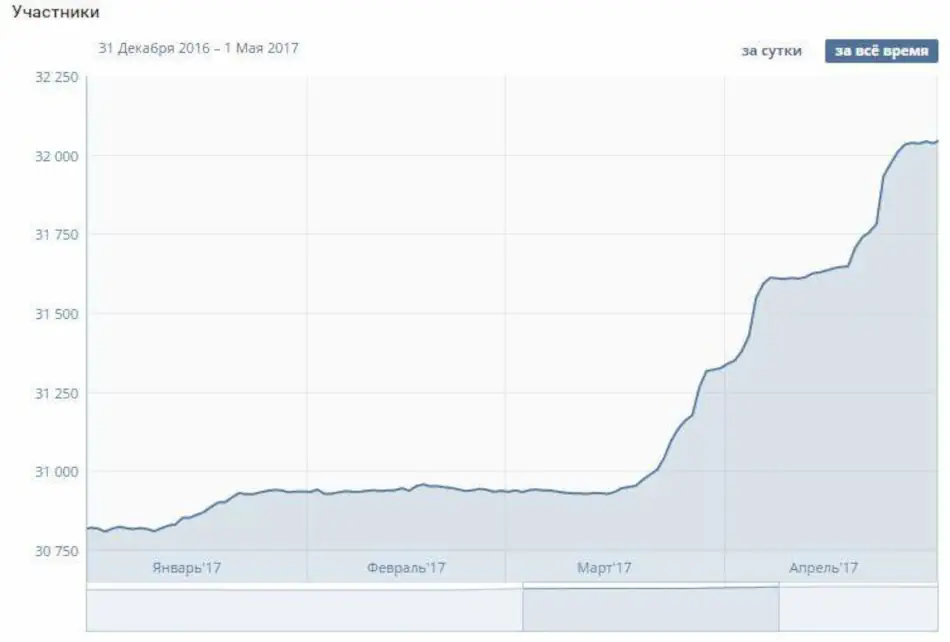
Over the three reporting months, the VKontakte group grew from 30,930 to 32,030 subscribers, representing a 3.6% increase
TestingNew advertising materials were tested throughout the entire campaign. For each segment, at least four banner variants were tested, allowing us to scale the most effective creatives and drop audiences that failed to deliver results.
Based on the split-test results, the banners were integrated directly into users' personal mobile feeds across social networks.
Additionally, contextual targeting was tested in myTarget, with ads shown for target keywords like 'internet', 'provider', 'internet + lviv', 'internet + zaporizhzhia' etc. In parallel, we launched targeted search keywords for our own brand terms as well as competitor brand queries.
Interesting factsApproximately two weeks after the campaign launch, a call was received from the client inquiring about the even distribution of the advertising budget. Although operations on the agency side were running smoothly, it emerged that the company's capacities for processing calls, handling leads, and connecting new subscribers were not designed for the volume of incoming inquiries. The campaign had already expanded beyond the standard traffic generation goals, forcing the business to restructure its internal processes to accommodate the influx.
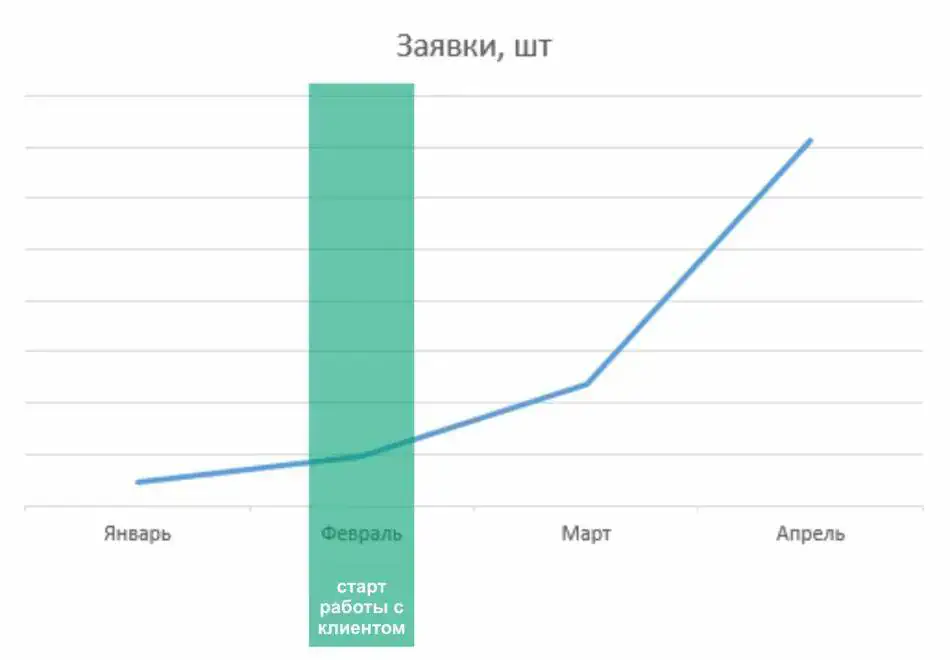
ResultsFollowing the launch of the operations, the monthly volume of service subscription requests surged from 45 to 713. Within just three months, social media channels transformed into a powerful lead generation source, triggering a massive influx of provider service subscriptions. The final conversion metric skyrocketed nearly 16-fold, demonstrating a net growth of 1485%. Based on the results of the three-month period, the conversion rate (CR) increased from an initial 0.41% to 3%. The net growth of this metric reached 632%, confirming the high efficiency of the chosen advertising strategy. The successful execution of the content strategy, combined with precise ad targeting, enabled scaling to a budget level nearly 5 times higher than the initial amount.
The total number of leads during the period was 1,046
Over the course of the campaign (from January to the end of April), the client's Facebook page audience expanded from 13,800 to 15,100 followers. A 9.4% organic and paid increase in Page Likes was successfully secured. This growth was driven by both organic and paid advertising activities. Social media channels became a major source of direct inquiries from users regarding service plan subscriptions. The growth of the organic audience, which is the main asset for any social business profile, has been recorded in two networks (Facebook and VKontakte).
16xleads
↑632%conversion rate
5xadvertising budget
↑9,4%Facebook subscribers
What Made the Difference?A combination of preparatory work, systematic brand reputation management, broad coverage across various social media networks, precise audience segmentation, and continuous campaign optimization based on the acquired data.
ConclusionBoth myTarget and VKontakte enabled the placement of large-format banners directly within mobile news feeds. This specific format became the number one source of conversions for the client.
Personal ContributionThe case consisted of two interconnected streams: the PR component (content and organic social media reach) aimed at handling negative feedback and supporting the client's image, and the advertising component focused on generating leads for Internet and TV subscription services. Within the advertising stream, most of the responsibilities were mine: media planning, drafting technical specifications for new creatives, audience segmentation, targeting and retargeting setup, keyword research, running tests, analyzing interim campaign results, data-driven decision-making and reporting.