
Google Ads at UAH 0.02 per Click and Record Profit Month
When the Tap Opens, Control the Flow: New Display Campaign Billing Triggered Only by Conversions
CASE AT A GLANCE
- Year 2019
- Region Poland
- Services PPC
- Tools Google Ads
- Metrics CPC
CLIENT
UWALLS

This case study once again proves that keeping up with updates from the advertising platforms you work with is not just desirable, but critically important
Currently one of the market leaders in Poland, the enterprise provides customers with high-quality products at affordable prices. The brand positions itself as a wide-format printing innovator, allowing it to implement advanced manufacturing technologies and maximize efficiency at every stage of wall decor production.
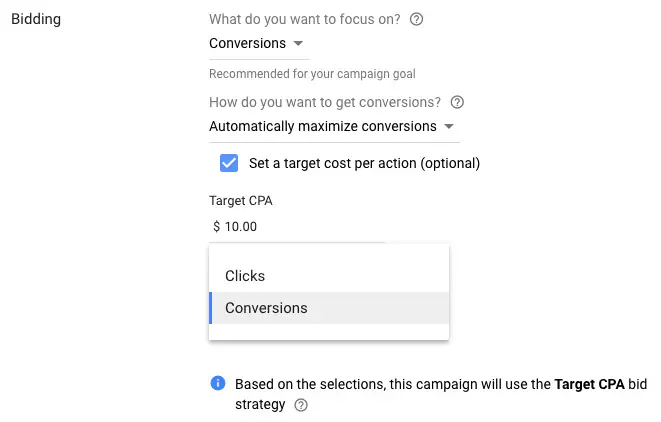
In January 2019, we decided to test this feature, as it aligned exceptionally well with our traffic management model.
The next day, it became clear that the traffic flow had dried up: Purchase - 0, spend - 0, and more than 14,000 users had already visited the site. The behavioral metrics of these users were frankly weak, so I went straight to the SEO team to find out whether a campaign like this could hurt the project overall.
The SEO team started digging into the data, and you could almost read the question in their eyes: “Wait, we can do this?” Once we realized that, in our particular situation, this kind of massive traffic flow could actually be used to boost pages that had previously received virtually no visitors, a new question emerged: how could we keep the festival going?
$0 in ad spend. 14,000+ users on the website
Statistical metrics that the SEO department loves
During the experiments with campaign duplicates, we noticed an interesting pattern: the traffic flow stopped completely once the day ended. Essentially, the campaign ran through its daily cycle, and then the whole “festival” temporarily came to a halt. We quickly found another unconventional solution to work around this behavior. At the beginning of the first hour of the night, I duplicated the campaign again from home, effectively launching a new phase.
This gave us another portion of virtually free traffic and allowed us to push the discovered mechanism to its limits. We repeated these duplications up to 10 times. In parallel, I tested increasing the Target CPA, and based on our observations, this allowed us to increase traffic volume slightly without changing the underlying campaign logic.
Eventually, two of the campaign duplicates generated 2 purchases. And that’s when the main thing happened: our sacred zero in the CPC column turned into USD 0.00077 across the entire Display campaign targeting the new audience.
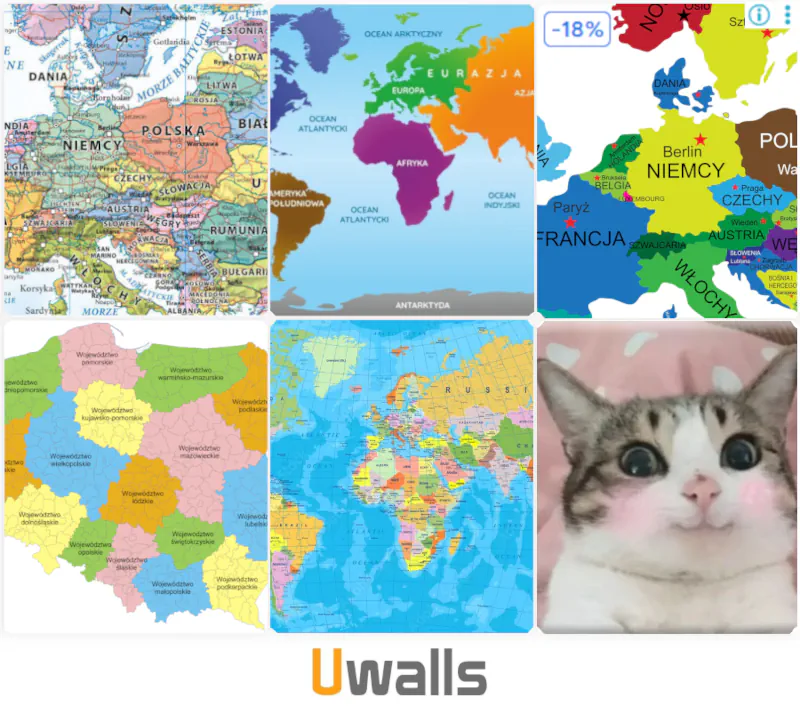
The result of this approach was unexpected. The most clickable assets turned out to be geographical maps and… a cat. The ad system combined them into dynamic creatives where a map of Poland could sit next to a world map, with the composition completed by the curious gaze of a cat. We immediately gave him the nickname Kotek the Traveller. From the perspective of conventional advertising communication, the creative was completely devoid of logic: it did not explain the essence of the product, demonstrate its benefits, or give users any clue where exactly they would land after clicking.
As it turned out, however, part of its strength lay precisely in this paradoxical lack of clarity. The ad clearly stood out not only from the surrounding advertising, but from the media content itself, sparked curiosity, and provoked clicks. Whether this effect was simply an accidental by-product of the algorithm, or whether our Kotek the Traveller had genuinely discovered his own unique recipe for clickability, is impossible to say for sure. But one fact remained: these bizarre compositions consistently generated huge volumes of traffic at a symbolic cost per click.
Monetizing this abnormally high volume of top-of-funnel users was brought up immediately. Obviously, most of these people lacked commercial intent right then and there.
To correctly deploy Google Ads remarketing, a dedicated audience named “Bad Behavior” was created in Google Analytics. It captured users based on the following parameters:
- duration: 90 days;
- source / medium: google / cpc;
- session duration: ≤ 5 seconds
- pages per session: ≤ 1.
This audience was excluded from the remarketing campaign to avoid wasting money on accidental visitors. Additionally, bid rates and budgets were increased to give the most engaged new visitors another opportunity to interact with the brand. The logic was simple: if a new campaign is already driving huge volumes of traffic almost for free, we should maximize this flow to build an audience and win part of it back.
Facebook, Instagram, and Audience Network platforms were also leveraged for this funnel segment using Visitors by Time Spent (Top 25%)
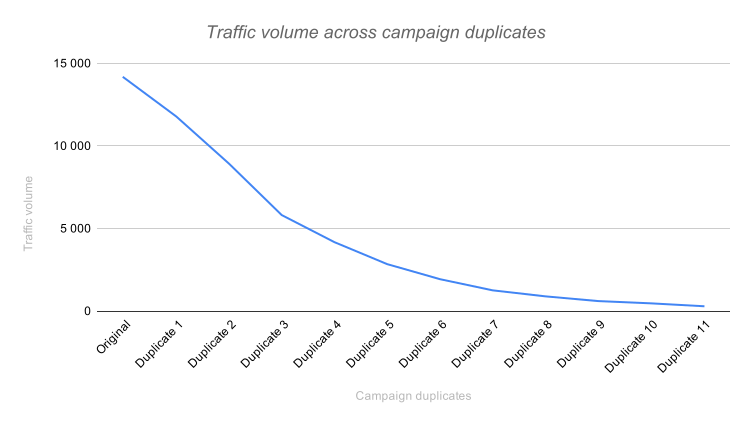
Remarkably, this entire volume of traffic was acquired for just $40.86 in ad spend. The average cost per click came out to a mere $0.00077, as two of the duplicated campaigns yielded 2 additional purchases, causing the system to bill the Target CPA into the spend. This conclusively proved the practical value of the discovered mechanics.
Ultimately, the month closed with 32 more deals than the previous one, representing a 76% increase in total transactions. It became the top-performing month in sales volume and set a record for total revenue at the time.